Women in Science Leadership: IMPM Hosts WIRASLP Workshop to Break Glass Ceilings in Yaoundé
Byadmin
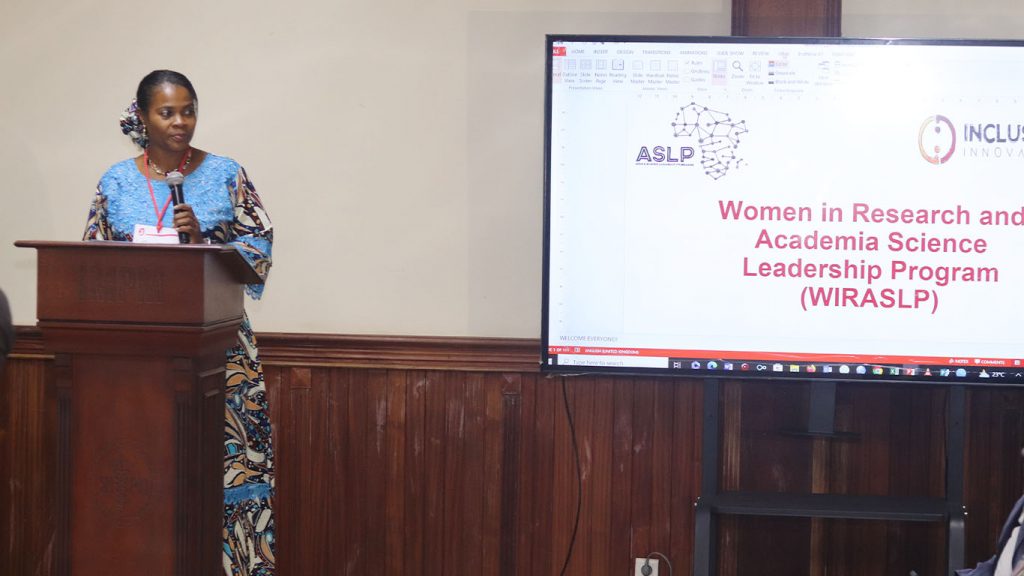
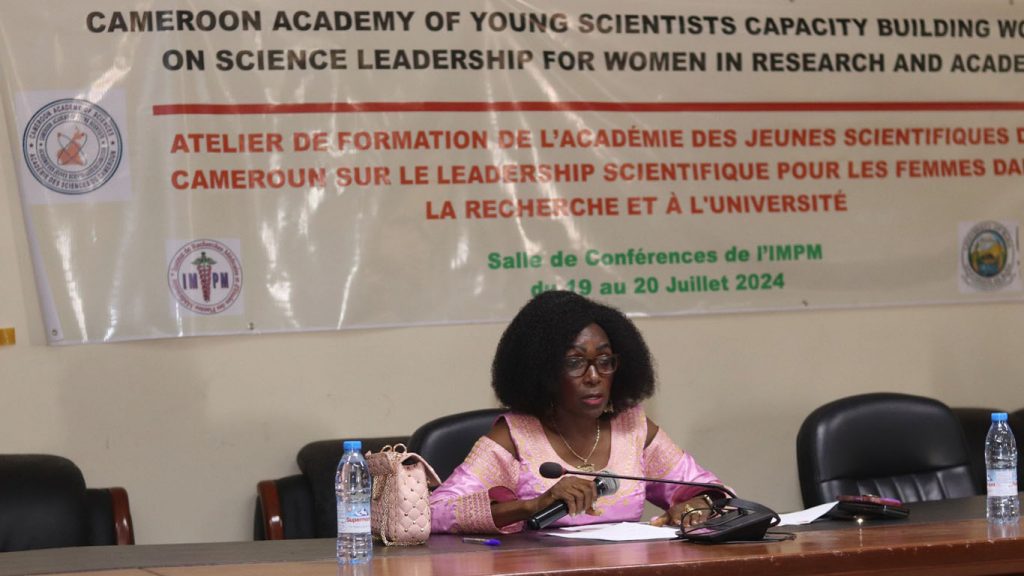
Yaoundé, Cameroon — On July 19 and 20, 2024, the conference hall of the Institute of Medical Research and Medicinal Plant Studies (IMPM) served as the venue for a groundbreaking workshop dedicated to empowering women in science. Dubbed the Women in Research and Academia Science Leadership Program (WIRASLP), the event brought together female researchers, mentors, and senior academic officials around a shared goal: equipping women with the tools to overcome barriers hindering their career advancement.
A Targeted Response to Challenges Facing Women in Research
In sub-Saharan Africa, and particularly in Cameroon, women working in academia and scientific research face persistent obstacles. Gender bias, stereotypes, a lack of female role models, limited access to career opportunities, and difficulties balancing work and family life still too often hold back their professional growth.
The WIRASLP program was created specifically to address these issues. Born out of a partnership between the Africa Science Leadership Programme (ASLP), the Cameroon Academy of Young Scientists (CAYS), IMPM, and the University of Buea (UB), the workshop aimed to equip participants with modern science leadership tools through mentorship, team building, and clear career goal-setting.
An Official Opening Marked by Institutional Commitment
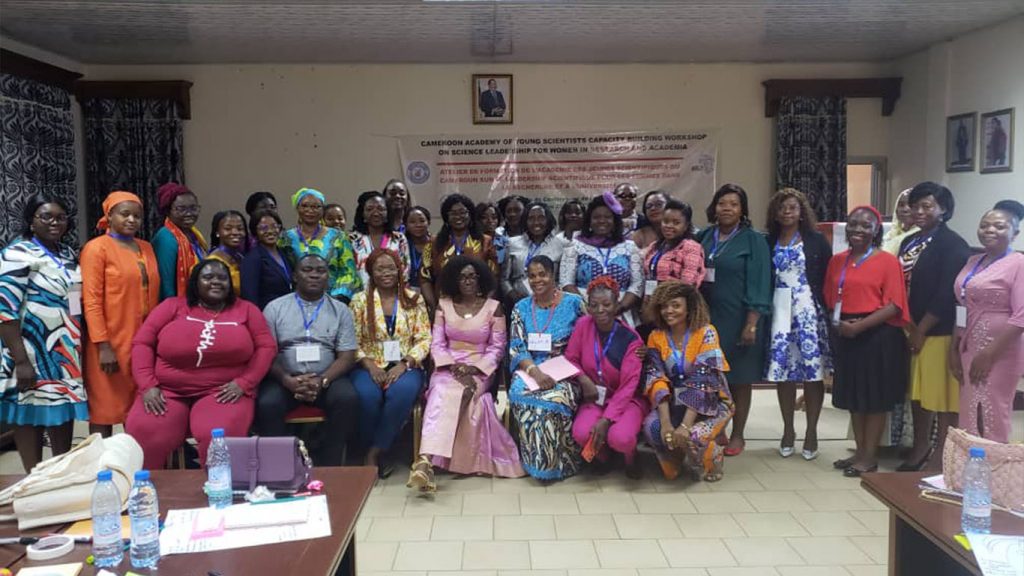
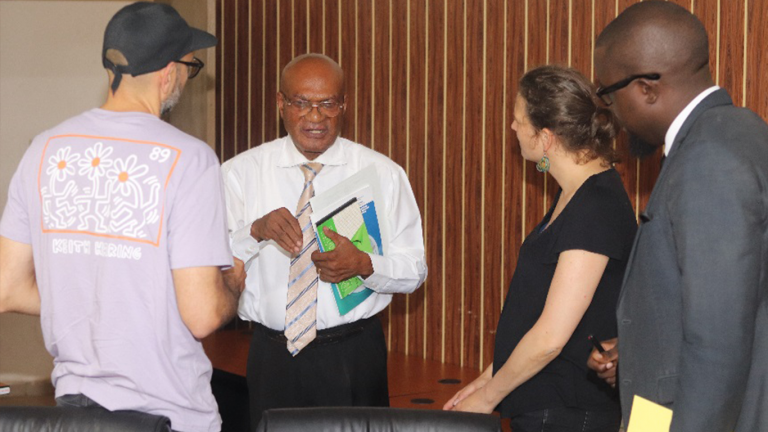
The opening ceremony featured remarks from the chair of the organizing committee, Dr. Valerie Makoge, who outlined the background and objectives of the two-day gathering. The event received strong backing from Cameroon’s highest scientific authorities, with notable addresses from Professor Xavier Etoa (Executive Secretary of the Cameroon Academy of Sciences – CAS), Dr. Tom Agbor (Deputy Director General of IMPM), and Professor Sammy Beban Chumbow (President of CAS). In officially declaring the workshop open, Prof. Chumbow praised the initiative as vital for the future of science in Cameroon, before inviting officials, organizers, and participants to pose for the traditional group photo.
Day 1: Ideation, Reframing, and Inspiration
Led by the organizers and facilitators (Dr. Valerie Makoge, Dr. Fritz Lyonga, Dr. Justine Germo Nzweundji) alongside seasoned mentors (Dr. Loveline Nsahlai, Dr. Constantine Kouankem, Dr. Rodrigue Dongang Nana, as well as ASLP mentors Dr. Lydia Mosi and Dr. Priscilla Mante), the first day focused on ideation and clarification phases.
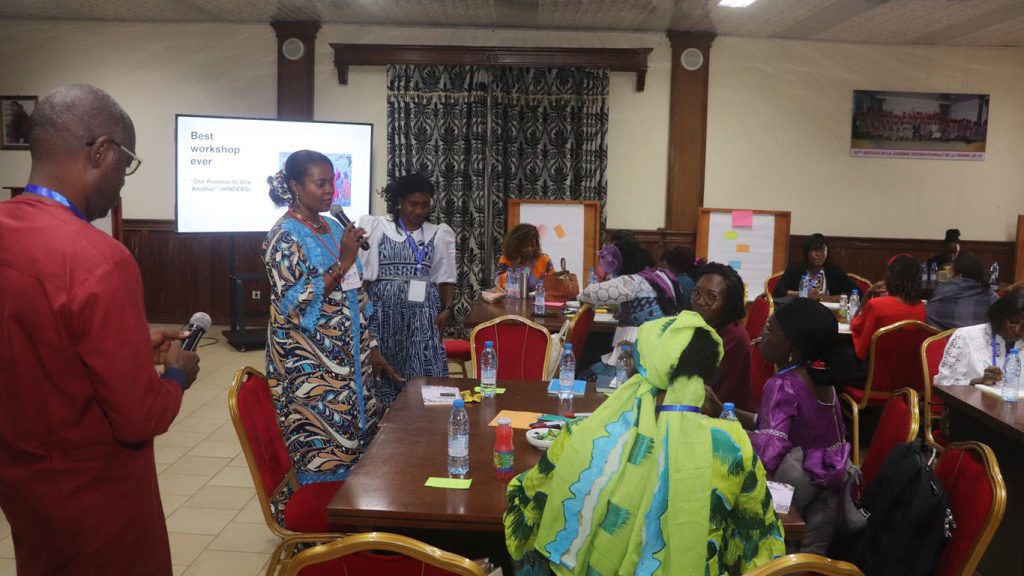
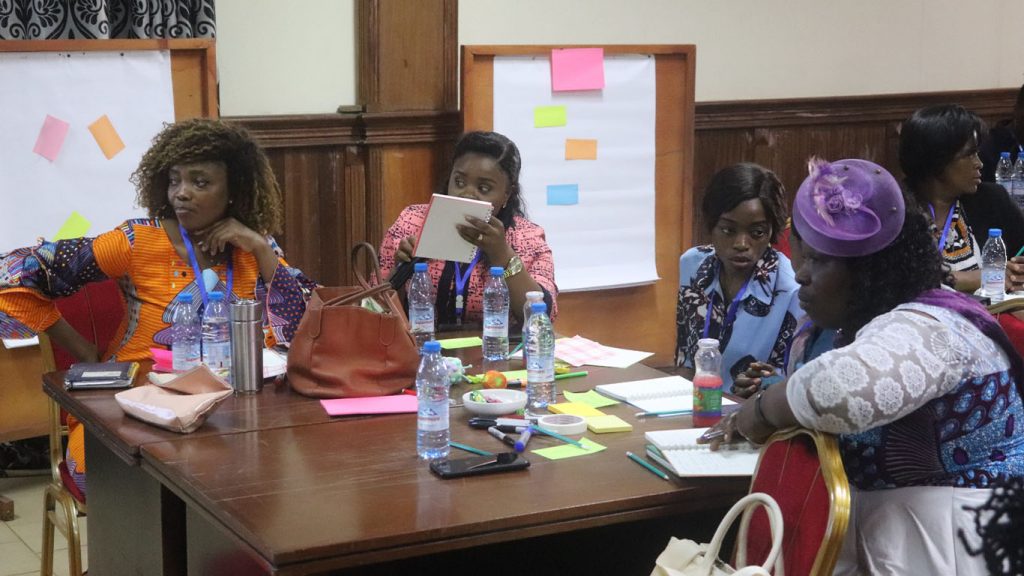
After establishing a collective code of conduct, participants explored several participatory methodologies:
- Generous listening and speed networking, to strengthen active communication and break the ice beyond professional titles.
- Reframing and the “How Might We” (HMW) method, enabling participants to turn workplace obstacles into opportunities for innovation.
- The collective leadership model and the Spidergraph tool, helping each researcher map out her comfort zone and areas for growth.
A major highlight of the first day was the keynote by Professor Florence Uphie Chinje, who served as a “provocateur” on the inspiring theme: “Breaking Barriers: Building the Future with Women Science Leaders.” She broke down the challenges of female leadership while offering practical strategies for stepping into decision-making roles.
Day 2: Convergence and Future Vision
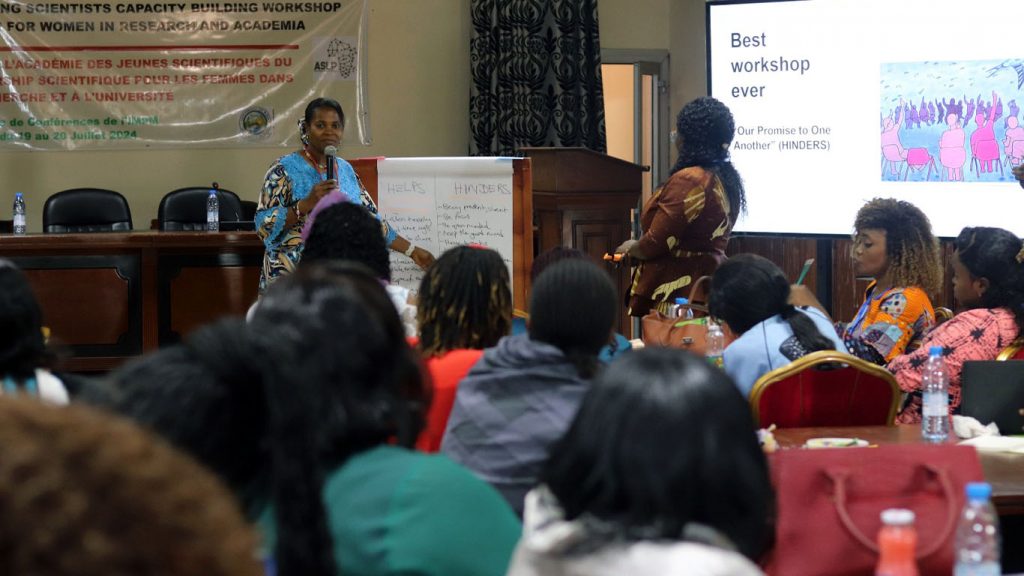
Opened with the “talking stick” reflection exercise facilitated by Dr. Valerie Makoge, the second day enabled participants to converge the ideas generated the previous day into concrete action plans.
Guided by Dr. Justine Germo Nzweundji, participants practiced using the 4Is tool (Interest, Impact, Imagination, Influence) to sort and prioritize their ideas, before envisioning their future through the introspective exercise “My Best Life.” Professor Rosemary Kinge Tonjock, the workshop’s second “provocateur,” captivated the audience by interactively sharing her leadership journey across ten sticky notes.
A Unanimously Praised Outcome
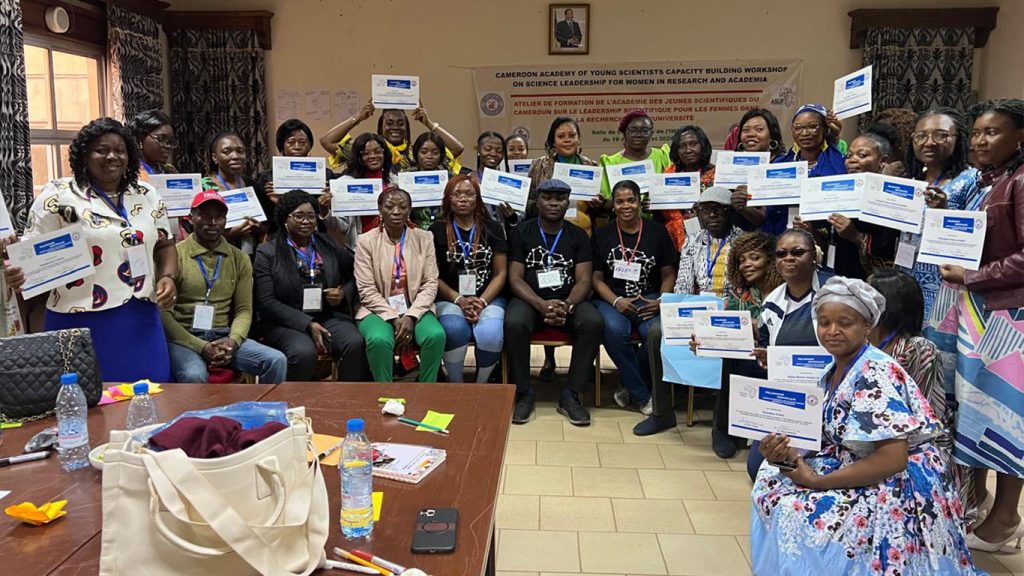
The workshop concluded with a feedback session conducted using the PPCO method (Pluses, Potentials, Concerns, Overcomes). Feedback from participants was overwhelmingly positive, praising both the richness of the tools acquired and the quality of the mentorship. Their only unanimous request to the organizers: extend the duration of future editions to allow even deeper engagement in this transformative experience for women in Cameroonian scientific research.